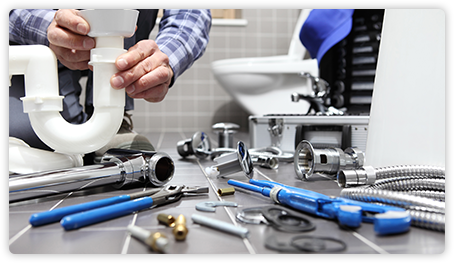
Your Home, Your Comfort, Our Lifelong Commitment.

  • We provide 24/7 emergency services

Common Plumbing Problems and How to Prevent Them

We never start our days hoping to encounter a plumbing issue. In fact, plumbing problems often come out of the blue, turning a perfectly good morning into a frantic scramble to find a solution. Whether it’s a clogged drain or a running toilet, these issues can be incredibly disruptive. Fortunately, understanding common plumbing problems and how to prevent them can save you time, money, and a lot of stress.

Common Plumbing Problems in Homes

Your home’s plumbing system is an intricate network of pipes, valves, and fixtures that work together to provide clean water and remove waste. It’s a marvel of modern engineering, but like any system, it’s prone to issues. Knowing the most common plumbing issues can help you keep everything running smoothly.

Dripping Faucets

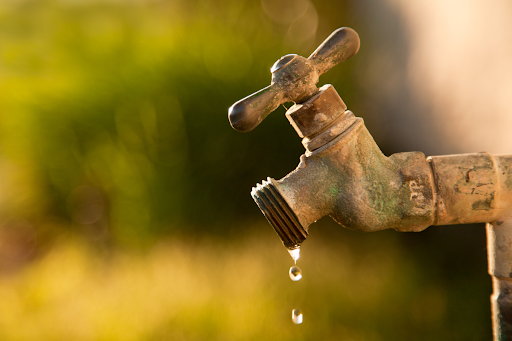
One of the most common plumbing problems in homes is the dripping faucet. That constant drip, drip, drip not only wastes water but can also be incredibly annoying. The cause is often a worn-out washer or O-ring, which can be easily replaced if you have the right tools and a bit of DIY know-how.

Running Toilets

A constantly running toilet is another frequent issue. This problem often stems from a faulty fill valve or flapper valve, causing water to flow continuously into the toilet bowl. Not only does this waste a significant amount of water, but it can also lead to higher water bills. Replacing these parts can typically resolve the issue.

Clogged Drains

Clogged drains are a nuisance that everyone encounters at some point. From hair in the shower to food particles in the kitchen sink, clogs are common plumbing issues that often cause slow drainage and unpleasant odors. Using a drain snake or natural solutions like baking soda and vinegar can help clear minor clogs. For tougher clogs, you might need the expertise of Go Green’s sewer drain cleaners near Greensboro, NC.

Low Water Pressure

Low water pressure can turn daily tasks like showering and washing dishes into frustrating experiences. This issue can be caused by various factors, including build-up in the pipes, a faulty pressure reducing valve, or problems with the municipal water supply. Checking your fixtures and valves can sometimes solve the problem, but persistent low pressure might require professional help.

Leaky Pipes

Leaky pipes are some of the common plumbing issues. Unfortunately, they can lead to significant water damage and mold growth if not addressed in a quick enough time frame. The causes can range from corroded pipes to high water pressure or a damaged pipe joint. While minor leaks can sometimes be patched up temporarily, a professional plumber should be called to fix the problem properly.

Preventive Measures for Common Plumbing Problems

Since we’re discussing common plumbing problems and how to prevent them, let’s review some practical steps you can undertake to maintain a healthy plumbing system.

Regular Inspections

One of the best ways to prevent common plumbing issues in homes is through regular inspections. Check your plumbing system periodically for any signs of wear and tear, such as dripping faucets, leaky pipes, or slow drains. Early detection can save you a lot of time and money in the long run.

Proper Disposal of Waste

Avoiding clogs starts with proper waste disposal. Never pour grease down the drain, and use a strainer in your sinks to catch food particles. In the bathroom, avoid flushing anything other than toilet paper to prevent clogged toilets. Coffee grounds, food scraps, and other solid wastes should be thrown in the trash or composted instead of going down the drain.

Water Heater Maintenance

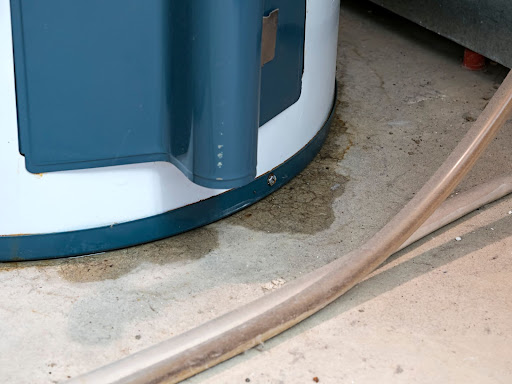
Water heaters are essential for comfort in our homes, but they require regular maintenance to function efficiently. Flushing the tank annually to remove sediment build-up can prolong the life of your water heater and improve its efficiency. Additionally, inspecting the pilot light and checking for any hot water heater troubles like unusual noises or leaks can help catch issues early before they turn into costly repairs.

Protecting Pipes from Cold Weather

Frozen pipes are a major concern during the colder months, as they can burst and cause significant damage. To prevent this, insulate your pipes, especially those in unheated areas like basements or garages. When temperatures drop, let your faucets drip slightly to keep water moving, and open cabinet doors to allow warm air to circulate around the plumbing.

Installing a Pressure Reducing Valve

High water pressure can strain your plumbing system and lead to leaks or bursts. Installing a pressure reducing valve can help maintain a safe water pressure level in your home, protecting your pipes and fixtures from damage.

Avoid Using Chemical Drain Cleaners

While chemical drain cleaners might seem like a quick fix for clogs, they can actually cause more harm than good. Harsh chemicals can damage pipes and lead to bigger plumbing issues down the line.

Your Plumbing Deserves the Best Care

Being aware of common plumbing problems and how to prevent them is important if you want to maintain a well-functioning home. By knowing when to call a professional, you can avoid many of the headaches that come with plumbing issues.

Plumbing problems can be a major hassle, but with a little preventive care and timely intervention, you can keep your home’s plumbing system running smoothly. If you encounter issues that are beyond your DIY skills or need professional assistance, don’t hesitate to schedule service with Go Green.

Our experienced plumbers are qualified to tackle any plumbing problem you face, so rest assured we have what it takes to keep your home comfortable and functional.

Whether you’re facing a clogged toilet, need emergency plumbing repairs, or are looking for water tank installers, Go Green is your trusted partner for all your plumbing needs. Contact us today!

Why Is My Kitchen Sink Water Pressure Low?
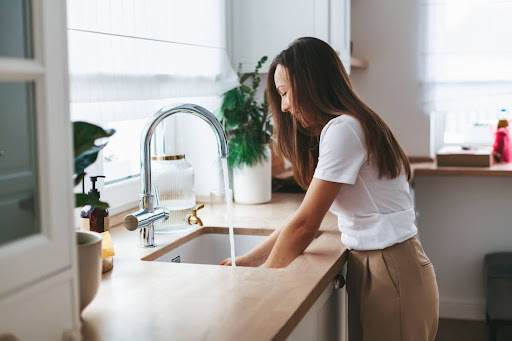
Experiencing low water pressure in your kitchen sink can be a frustrating ordeal, affecting your daily chores and overall kitchen functionality. Understanding why your kitchen sink water pressure is low is crucial to identifying and resolving the issue effectively. This blog will explore the most common causes of low water pressure in your kitchen sink and provide insights on when to call in professionals for help.

Clogged Aerator: A Common Culprit

One of the primary reasons for low water pressure in kitchen sinks is a clogged aerator. The aerator, typically located at the tip of your kitchen faucet, can accumulate sediment, calcium deposits, and other debris, leading to a restricted water flow. Cleaning the aerator is a simple DIY task: unscrew it and soak it in vinegar overnight to dissolve any mineral deposits. If cleaning doesn’t improve the water pressure, the issue might lie elsewhere in your plumbing system.

Faulty Plumbing Fixtures and Components

Faulty kitchen fixtures, such as a clogged cartridge or a blocked supply line, can also be what causes low water pressure in your kitchen sink. A clogged cartridge, often found in the faucet handle, can impede water flow. Similarly, a malfunctioning shut-off valve or a damaged supply line under the sink can restrict the water supply, causing low pressure. Inspecting these components for blockages or damages can provide insights into the issue.

Plumbing Leaks: Hidden Culprits

Leaky pipes, often hidden behind walls or under floors, can lead to a significant drop in water pressure. Even a small pipe leak can affect the pressure in your kitchen sink. Regularly checking for damp spots, mildew, or unexplained increases in your water bill can help detect these leaks early. If you think a leak could be what causes low water pressure in your kitchen sink, it’s essential to consult a professional plumber to address the problem promptly.

Sediment Buildup in Water Lines

Over time, sediment buildup in your water lines can obstruct water flow, causing low water pressure in your kitchen sink. This is especially common in areas with hard water. Routine maintenance, such as flushing the water lines, can help prevent this issue. If you’re unsure about handling this yourself, plumbing professionals like those at Go Green Plumbing, Heating and Air can assist.

Issues With the Municipal Water Supply

Sometimes, the problem may not be within your home but with the municipal water supply. Fluctuations in the municipal supply lines or maintenance work can temporarily affect your kitchen sink water pressure.

Do you think an issue with the municipal water supply could be why your kitchen sink water pressure is low? Contacting your water provider or local municipality can clarify if the low pressure is a widespread issue.

Malfunctioning Water Heater

If you notice low hot water pressure, the problem might be with your water heater. Sediment buildup in the tank or a faulty pressure-reducing valve can affect the hot water flow. Tankless water heaters, while efficient, can also face issues that lead to low water pressure. Regular inspections and maintenance of your water heater are crucial in preventing such problems.

DIY Troubleshooting Tips

Before calling a professional, there are a few simple checks you can perform:

  • Inspect the faucet aerator and clean it if necessary.
  • Check under the sink for any obvious damage to the water supply lines.
  • Ensure the shut-off valve is fully open.
  • If you have a water pressure gauge, check the pressure reading to determine if it’s within the normal range.

When to Call Go Green Plumbing, Heating and Air

As you can see, there can be several reasons why your kitchen sink water pressure is low. If these DIY methods don’t resolve your low water pressure issue, it might be time to call in the experts. Go Green Plumbing, Heating and Air specializes in identifying and resolving complex plumbing issues. Whether it’s a plumbing leak, a water line issue, or a problem with your water heater, our team of skilled professionals can provide efficient and eco-friendly solutions.

Don’t Let Low Pressure Dampen Your Day

Low water pressure in your kitchen sink can be caused by a variety of factors, from clogged aerators to issues with the municipal water supply. While some fixes are simple DIY tasks, others require the expertise of a professional plumber. If you’re near Greensboro, NC, and are facing persistent low water pressure problems, don’t hesitate to reach out to Go Green Plumbing, Heating and Air. Our experienced team can help restore your kitchen sink’s water pressure, ensuring your daily routine flows smoothly.

Contact Us Today!

Are you tired of dealing with low water pressure in your kitchen sink? Contact Go Green Plumbing, Heating and Air for expert plumbing services that will resolve your water pressure problems efficiently and sustainably. Our plumbers offer solutions for a wide range of problems. Whether you have a leak or a clogged sewer line near Greensboro, NC, be assured we can help.

Now that you know the potential reasons why your kitchen sink water pressure is low, why wait? Contact us to schedule your appointment today. Don’t let low water pressure disrupt your daily life — let us bring the flow back to your kitchen sink!

Benefits of Trenchless Sewer Repairs

Sewer problems can be a homeowner’s worst nightmare. But thanks to innovative technologies in the plumbing industry, sewer repair has evolved, becoming more efficient and less disruptive. Among these advancements is the trenchless sewer repair method.

So, is trenchless sewer repair better than its traditional counterparts? Let’s dive deep into the benefits of trenchless sewer repairs and understand why it might be the ideal choice for you.

Understanding the Trenchless Method

Before we delve into the benefits, it’s essential to understand the mechanics behind trenchless sewer repairs. As the name suggests, the trenchless method doesn’t require digging trenches. Instead, it employs two primary techniques:

  1. Pipe Bursting: Old, damaged pipes are broken apart using a bursting head, and a new pipe is pulled in simultaneously to replace the old one.
  2. Cured In Place Piping (CIPP): A resin-saturated felt tube is inserted into the existing pipe. It’s then cured in place, creating a pipe within a pipe.

Both of these are popular trenchless sewer options, addressing a wide range of issues in the sewer system.

The Most Noteworthy Benefits of Trenchless Sewer Repairs

For many homeowners, the idea of sewer line repair can be a daunting and unfamiliar concept. It’s not something we think about until a problem arises, and when it does, the urgency to fix it can lead to hasty decisions. If you’ve never had to repair a sewer line before, you might be wondering what the best option is for your home. Let’s go over the benefits of trenchless sewer repairs and shed light on why this method is a popular choice for homeowners.

  • Less Disruption and Property Damage: One of the significant advantages of trenchless sewer repair is that your yard, driveway, and landscapes remain mostly undisturbed. Traditional sewer repair methods often involve extensive digging, which can leave your property in disarray.
  • Cost Effective in the Long Run: While trenchless technologies might seem expensive upfront, they can be more cost-effective over time. The reduced labor and restoration costs, coupled with the longevity of the repair, often make it a more economical choice.
  • Long-lasting Repairs: Trenchless pipe repair, be it pipe bursting or pipe lining, is built to last. These methods can give the sewer pipes a life expectancy of up to 50 years or more.
  • Improved Flow Capacity: The smooth interiors of the new pipes, especially with techniques like cured-in-place piping (CIPP), can increase the flow capacity, improving the efficiency of your sewer system.
  • Versatility: The trenchless method is adaptable and suitable for repairing or replacing a variety of damaged sewer lines, making it viable for both residential and commercial applications.

Trenchless Sewer Repair: Better in Various Situations

Is trenchless sewer repair better than traditional methods? The answer can often be a resounding yes, especially in certain situations.

Access Is Limited

When it comes to repairing pipes that are situated under structures, roads, or precious landscapes, trenchless sewer repair stands out as the best option. Traditional methods would typically involve significant excavation, often causing disruption or even damage to the surfaces above. With trenchless methods, the need to disturb these areas is minimized, making it particularly beneficial when wanting to preserve the integrity and appearance of such locations.

Speed Is of the Essence

Time can be of the essence in many repair situations. Traditional sewer repair methods often require extensive digging, which not only takes time but also necessitates additional time for property restoration post-repair. In general, trenchless sewer repair is better for homeowners who are in a time crunch, as this method sidesteps the lengthy process of excavation. This means properties can be restored to their normal state much quicker, reducing inconvenience and potential disruptions.

Longevity Is a Priority

For homeowners who prioritize durability and long-term solutions, trenchless sewer repairs are a top choice. Offering a life expectancy that can approach 50 years, these repairs provide a long-lasting solution that reduces the likelihood of repeatedly facing the same issues. This not only offers homeowners peace of mind but can also prove to be cost-effective in the long run, saving them from potential repeat repair expenses.

However, as with any method, it’s essential to weigh the pros and cons, considering factors like the extent of damage, location of the pipes, and budget constraints.

Schedule Your Sewer Services Today!

So, is trenchless sewer repair better than traditional methods? As you can see, there are many advantages to this technology that are worth considering. While understanding the advantages of trenchless sewer repair is crucial, it’s equally vital to choose professionals who know their craft inside out.

If you’re in Greensboro, NC, or the surrounding area in the Triad, consider Go Green Plumbing, Heating, and Air for your sewer needs. With a commitment to building lasting relationships, our team ensures top-notch service, whether you’re looking for a sewer line replacement near Greensboro, NC, or require other sewer drain services.

Don’t wait for small problems to escalate. If you suspect issues with your sewer system and want to explore the benefits of trenchless sewer repairs further, schedule an appointment with our professional team today! Your property deserves the best, and we aim to deliver just that.

5 Reasons Why Your Tap Water Is Cloudy
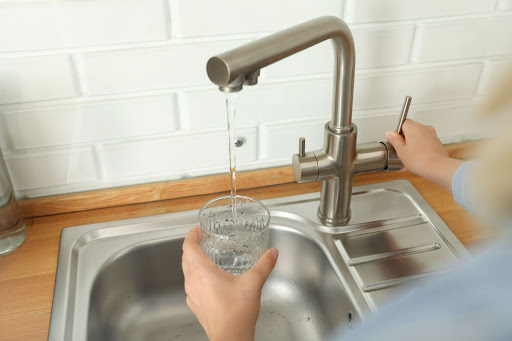
Are you noticing that your normally clear tap water is looking cloudy? If so, you’re not alone. Cloudy tap water is actually a fairly common occurrence in many households. Although it may look unappetizing, it may not necessarily mean that your water is unsafe to drink. Below, let’s explore five potential reasons why your tap water is cloudy.

1. Trapped Air

Air bubbles are a common cause of cloudy tap water. When the air becomes trapped in your water supply, it can create a milky-looking appearance. This is especially common in areas with higher water pressure. The increased water pressure can cause air to become trapped in the pipes as it makes its way to your faucet. Fortunately, this is not a safety concern and will clear up on its own after a few minutes.

2. Methane Gas

There are many potential reasons why your tap water is cloudy — and, believe it or not, methane gas is one of the most common.

Methane gas is a colorless and odorless gas that can be present in groundwater. If this gas is present in your local water supply and collects in your home’s plumbing, it can cause your water to look cloudy. While typically safe to drink, it’s always a good idea to have your water tested regularly to ensure that it’s free from any harmful bacteria.

3. Hot Water

The temperature of your water could be one of the reasons why your tap water is cloudy. Hot water dissolves minerals more quickly than cold water, leading to cloudy or white-looking water. This is especially common in areas with hard water, where there’s a high concentration of dissolved minerals in the water.

4. Water Heaters

If your water appears cloudy only when you turn on the hot water, it could be a sign of a problem with your water heater. Over time, sediment can build up in the bottom of your water heater tank. When the water is heated, the sediment can become suspended in the water and cause it to appear cloudy. Having your water heater serviced regularly can help prevent this issue.

The Benefits of Water Filtration

If you’re noticing persistent cloudy tap water, it might be time to consider investing in a water filtration system. Filtration systems help remove sediment, minerals, and other impurities that can contribute to cloudy water. Not only can it improve the appearance of your water, but it can also improve the overall taste and safety of your drinking water.

Don’t hesitate to turn to our team of plumbing professionals to learn more about how you can benefit from water filtration in Greensboro, NC. We can answer your questions and address your concerns to find the best solution for your home’s needs.

Schedule Your Water Filtration System Installation Today

While discolored water can be concerning, it’s important to focus on the root cause of the issue. Trapped air, methane gas, hot water, and water heaters can all be reasons why your tap water is cloudy. If you suspect that your water is unsafe to drink, contact your local water supply company or have your water tested by a professional. If you simply want clearer, better-tasting water, consider investing in a water filtration system.

At Go Green Plumbing, Heating, & Air, we offer a variety of water filtration systems that are custom-fit to your home’s specific needs. We have something for every budget and preference. Plus, our experienced plumbers can help you with installation to ensure that you’re getting the most out of your new system. Contact us today to schedule an appointment with our water filter system installers in Greensboro, NC, and say goodbye to cloudy tap water!

How Do I Know if I Have Tree Roots in My Sewer Line?
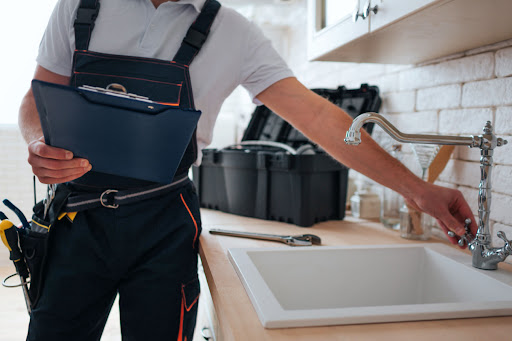
If you live in a neighborhood or on a street surrounded by trees, you probably enjoy the privacy and sense of peace they provide. However, that doesn’t mean you’re completely out of the woods. The truth of the matter is that tree roots can wreak havoc on your sewer lines over time, which can result in a multitude of plumbing problems.

How do you know if you have tree roots in your sewer line? You can look for a few red flags to identify and address this problem. Let’s discuss some of the most common telltale signs of tree roots in sewer lines.

What Causes Tree Root Intrusions?

We all understand that trees need water to grow. When tree roots grow beneath the ground near your home, they search for any source of moisture and nutrients they can find. Unfortunately, this source of sustenance comes in the form of your sewer pipes.

Over time, tree roots can penetrate your sewer lines, filling the pipe and causing a massive blockage. As a result, the contents of the sewer lines can leak out and pose a threat to your home’s structural integrity.

It’s important to know that the larger the tree, the more comprehensive the roots will probably be. This means that larger trees often pose more of a threat regarding tree root intrusion than those on the smaller side. However, it’s still worth mentioning that all types of trees can penetrate sewer pipes, no matter their size.

What Are the Signs of Tree Roots in Sewer Lines?

Since tree roots (and your sewer lines) are far beneath the surface of your home, it can be challenging to know when a problem is occurring. So, how do you know if you have tree roots in your sewer line?

Let’s go over some of the most notable signs of tree roots in sewer lines in more detail below. Some of these red flags may seem obvious, while others may surprise you.

Drain Problems

When tree roots take over your sewer lines, you can usually tell by closely inspecting the plumbing fixtures throughout your house. So, how do you know if you have tree roots in your sewer line by looking at your plumbing system?

First and foremost, you’ll want to check your drains. Multiple slow-draining sinks and showers can suggest that your sewer lines are clogged with debris — including robust roots. You will also want to be on the lookout for water backing up in your sinks, as this can also suggest a blockage.

Do you hear strange noises when flushing the toilet? Gurgling noises are another red flag that can indicate root damage. When it comes down to it, it’s always a good idea to call our plumbers for a drain cleaning in Greensboro, NC. Our professionals can perform an inspection, pinpoint the issue, and devise an appropriate plan of action.

Soggy Grass

Lush or soggy patches of grass are also potential signs of tree roots in sewer lines. If there are roots in your pipes, it’s safe to say that the sewer lines have sustained considerable damage, including cracks and holes. Unfortunately, this means that water is most likely leaking out of the pipes and saturating your yard.

Although soggy grass might seem like a minor sign of root intrusion, it’s actually cause for concern. This excessive water can create sinkholes on your property and create issues with your home’s foundation.

Unpleasant Odors

Your home can be chock full of different smells. From the kitchen to the bathroom, you never know what you’re going to find. So how do you know if you have tree roots in your sewer line when it comes to smell? Simply put, you’ll want to be mindful of any unpleasant sewage odors around your drains. This rotten egg smell is usually associated with clogged sewer lines and can be an unfortunate sign of tree root intrusion.

Tree Growth

Does it seem like one tree on your property is more vibrant than the others? Believe it or not, this can be one of the most common signs of tree roots in sewer lines. If there are roots in the sewer lines beneath your home, this means that the tree is getting plenty of nutrients from the water. As a result, the tree in question may grow faster and appear more lush than those surrounding it.

Schedule an Appointment With Our Experts in Greensboro, NC!

Are all the red flags adding up? If you think your sewer lines could be clogged with stubborn roots, turn to Go Green Plumbing, Heating, & Air! We can perform a comprehensive camera inspection of your drain pipes or sewer lines to pinpoint the underlying cause of the problem. From here, we’ll utilize advanced equipment and techniques to remove tree roots from the pipes and ensure everything is running smoothly.

We’re proud to offer a wide range of services for sewage and water pipes. From sewer line cleaning services to water line replacements, we can handle it all. You can count on us to assist you with all things water and sewer in Greensboro, NC. Contact us today to schedule an appointment!

What Is a P-Trap?

When you use your kitchen or bathroom sink, you probably don’t think about all the parts that help this plumbing fixture do its job. However, knowing about these various parts and how they work can be helpful.

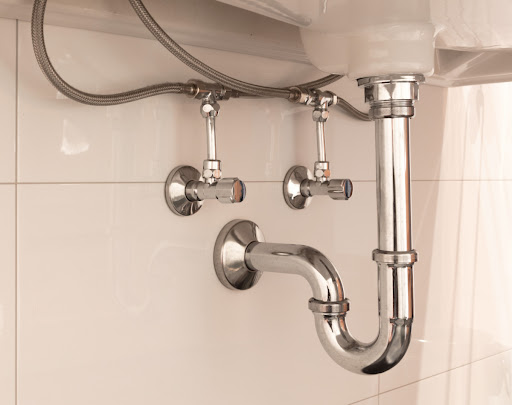
One of the most vital components is the “P-trap,” which is that sleek, u-shaped pipe beneath your sink. You’ll find the P-trap connects your kitchen or bathroom sink drain to your municipal sewer system or septic tank. This simple device is usually hidden beneath your cabinet and far out of sight, but it has an important job that’s worthy of your attention.

So, what is the purpose of a P-trap? Let’s answer this question and more below!

What Is the Purpose of a P-Trap?

P-traps are the new standard for bathroom and sink drains. Some older homes may still have S-traps, which are shaped more like an “S” than a “P.” However, these S-traps have been prohibited by most plumbing codes.

Now that you know what a P-trap is, you’re probably wondering what it’s supposed to do. Simply put, a P-trap works by preventing smelly and harmful sewer gases from entering your home. The P-trap is meant to contain a small amount of water at all times. This water seal creates a barrier between your living space and the sewer system.

P-Traps & Preventing Drain Blockages

Although a P-trap stops sewer gases from bubbling up your drain, it also has another responsibility. You might be pleased to know that this small but mighty device can also help prevent a severe clog in your drain line.

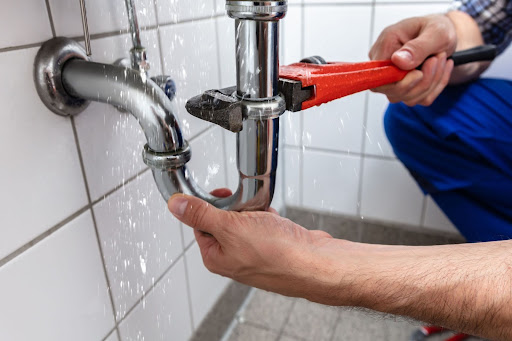
P-traps typically contain small cleanouts that allow you to remove any debris that may have collected inside it over time. This is incredibly helpful, as all you have to do is empty the cleanout, and the water flow should be restored. There’s no reason to worry if your P-trap doesn’t have a cleanout. Removing the P-trap to clean it out is also an option.

Of course, you don’t have to handle drain blockages alone. If you don’t feel comfortable removing or cleaning the P-trap, don’t hesitate to contact our plumbers for a professional drain cleaning in Greensboro, NC.

What Happens When a P-Trap Is Clogged?

Now that you know what a P-trap is and how it works, you may be worried about a clog appearing out of the blue. Fortunately, there are various warning signs that indicate that a blockage is present.

For starters, you’ll most likely notice that the water isn’t draining out of your bathroom or kitchen sink. There’s a good chance that standing water will collect in your sink, as the water will have nowhere to go. You might also notice foul odors coming from the affected drain.

Your P-trap can also experience other problems that may require your attention. As we mentioned, the purpose of a P-trap is to contain a small amount of water to stop sewer gases from entering your home. Unfortunately, the P-trap can also become dry over time, which makes preventing sewer gases from rising up an impossible task.

Fortunately, you can fix a dry P-trap relatively quickly. In most cases, all you have to do is pour a gallon of water down the affected drain to restore the water seal. You can also prevent this problem by regularly running water from the tap.

Keep Your Plumbing Running Smoothly With the Pros!

“What is a P-trap?” If you were asking this question, hopefully, you now understand how this small but mighty plumbing device works. Knowing what the purpose of a P-trap is can help you keep up with its needs.

As you can see, your plumbing system has many components that allow your sinks, drains, and various other fixtures to work without a problem. Unfortunately, there may come a day when an issue appears. If that time has come, turn to Go Green Plumbing, Heating, & Air!

Our professional plumbers specialize in everything from repairs to water service in Greensboro, NC, and the surrounding areas. Whether you need help with your kitchen and bathroom sinks or your water lines, our experts will get the job done right. Contact us today!

Should You Repair or Replace Your Toilet?
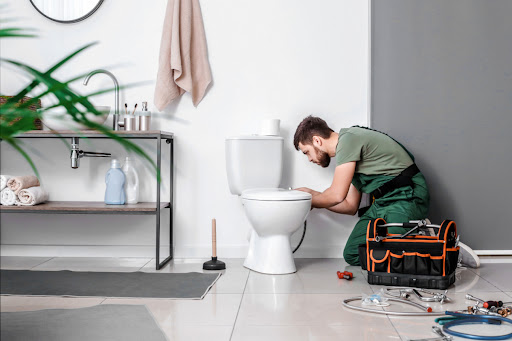
When you encounter a problem with your toilet, your knee-jerk reaction might be to call your plumber and schedule a repair. However, repairs aren’t always the best solution. In some instances, replacing the toilet could be the most cost-effective solution in the long run.

Some issues call for repairs, while others demand a complete overhaul. Of course, it’s not always obvious to know whether you should repair or replace your toilet. Is there actually a way to tell if you should repair vs. replace toilets? The answer is yes! Let’s go over what you need to know below.

Signs You Should Replace Your Toilet

It’s undeniable that every toilet will need to be replaced at some point. Although these crucial plumbing fixtures are known to last long, they can experience problems beyond repair. In the end, you may need to give up your trusty toilet and install a new, higher-quality replacement.

Let’s discuss some common issues that typically require a toilet overhaul.

Toilet Cracks

Have you noticed hairline cracks on your toilet tank or bowl? Although these cracks may seem like nothing more than a cosmetic issue, they can quickly lead to active leaks. It’s no secret that plumbing leaks of any kind can result in extensive water damage and higher water bills.

Are you unsure whether you should repair or replace your toilet when it has a crack? When it comes down to it, the answer to this question can depend on where the leak is located. If the leak is above the water line, you may only need a repair. On the other hand, if the leak is below the water line on the toilet bowl, there’s a good chance you need to replace the toilet.

In most cases, a replacement is the best solution. You’ll want to contact your local plumbing experts ASAP to avoid an unwanted leak.

Frequent Repairs

Are you constantly scheduling repairs for your toilet? If so, it’s probably time to replace the fixture. There are a few toilet-related complications that are relatively easy to fix. However, constantly calling your plumber for a repair can get troublesome — and not to mention costly.

Some problems require expensive, complicated repairs. If you encounter these issues frequently, scheduling a replacement will most likely be the most cost-effective solution, as you can save money.

Constant Clogs

Toilet clogs are always a hassle to deal with — not to mention messy. If your toilet is clogging on a near-constant basis, it may be time to say hello to a replacement.

There’s no denying the fact that low-flow toilets can help you save water. However, some older toilets that are low-flow are difficult to flush. In fact, you may need to flush your toilet a few times before all the waste and toilet paper goes down, and you may encounter a clog along the way.

If you’re unsure when to repair vs. replace toilets, take a look at your toilet’s age and its clogging issues. Buying a new toilet may help put a stop to those frequent blockages.

Signs You Can Repair Your Toilet

Sometimes, it just makes sense to repair your toilet. Total replacements aren’t always needed and can end up being a waste of your money and time.

If you’re wondering if you should repair or replace your toilet, let’s discuss a few of the instances where a repair may be all that’s needed.

Poor Flushing

If you’re having a hard time flushing the toilet or have noticed inconsistent water levels, you might only have to repair a few small parts. You may be dealing with a faulty flapper or float, and you can have these parts replaced to fix the problem.

The good news is that your plumber knows when to repair vs. replace toilets. If you’re worried that you may need to replace the entire fixture, give your local company a call and ask for their opinion. They’ll give you the best solution depending on the situation.

Internal Leaks

If your toilet is constantly running, your first instinct might be to schedule a replacement. However, this problem isn’t as complicated as it may seem. In fact, the fill valve could have gone bad and simply needs to be replaced.

Worn Wax Ring

Believe it or not, leaks at the base of your toilet can be easily fixed. In most cases, your trusted plumber will simply need to replace the wax ring. Over time, the wax seal can go bad, leading to water collecting around the base of the toilet. Of course, you’ll want to act quickly to avoid any water damage in your bathroom.

Are you unsure whether to repair vs. replace toilets when a leak is present? As you can see, the location of the leak will usually dictate whether or not a complete overhaul is necessary.

Schedule Toilet Services With the Pros!

As a homeowner, it’s understandable if you’re worried about whether you should repair or replace your toilets. These fixtures are some of the most important parts of your plumbing system, and you want the best, most cost-effective solution. Now that we’ve gone through this helpful guide, you have a better idea of what service you need to schedule.

Toilet problems are never fun to deal with. Leaks, clogs, and malfunctions can happen at the most inconvenient times, tossing your entire day into chaos. Fortunately, the plumbing experts at Go Green Plumbing, Heating & Air can help. We’re proud to specialize in everything from toilet repairs and replacements to sewer cleaning in Greensboro, NC, and the surrounding areas.

We know how important it is to keep up with your home’s plumbing needs. Whether you need assistance with new plumbing fixtures or a home water filtration system near Greensboro, NC, we have solutions you can count on. Contact us today to schedule your appointment!

Does Repiping Add Value to a House?

When making big home improvements, whether to get your home ready for the market or to fix things up a bit inside, it’s a good idea to find out if you are making the right decision. Additionally, understanding what is considered a good investment will help improve your home value. Repiping your house can certainly be a large investment, but most of the time, despite the cost of the process, it can often be a very beneficial decision. 

So is repiping worth it? Does repiping add value to a house? The answer is yes, and here’s why. 

More Interest in Your Home

Many buyers may have more interest in your home if the plumbing system has been repiped recently. By replacing the pipes in your home with new ones, you can guarantee healthy, clean water and good water pressure — especially if your home is an older one. This will also help your appliances work better. 

Having the plumbing taken care of before buying a house is something every new homeowner will appreciate. Often, homes that have replaced their water pipes do better on the market and sell faster. Although this is the norm, it cannot always be guaranteed. That being said, consider the potential buyers and the type of house you have before making this decision. 

Safety First  

One of the best ways to attract buyers is by guaranteeing that they will live in a safe environment once they purchase your home. Choosing to repipe a house means you are ridding the house of unsafe plumbing issues that could occur. A common problem with older homes is that their water pipes can be made of low-quality materials that have deteriorated over the years, leading to problems with both your plumbing system and your health. 

If you are concerned about the safety of your plumbing system, wondering if repiping adds value to your house is probably the last thing on your mind — but an added benefit, nonetheless. Schedule an appointment for plumbing repair in Greensboro, NC, to upgrade your pipes today. 

Money and Time 

Does repiping add value to a house? Is it worth it, or does it just drain your pockets? Yes, repiping your home can indeed be expensive as it is a big home investment. The typical cost of replacing your pipes can range anywhere from $3,000 – $15,000, depending on your plumbing system’s size and age. But it could be a big factor as to why your home is sold, as long as you make sure that the rest of your house is also fixed. Most people only make decisions because of what they can see. 

An added benefit is that repiping a home does not actually take a long time. If the house is smaller, it could take between three to seven days to complete, while a larger home may take longer, possibly a couple of weeks. Once the inspection and decisions are made, it is a relatively quick and easy process. 

When to Start the Process 

When should you start thinking about repiping your plumbing systems? If your home is older than 40 years, you should consider it now. Having a plumbing system this old could mean that your pipes are no longer up to code and could affect the quality of water you drink and bathe in. A sure sign that you need new pipes is tap water that looks dirty or tastes funny. If the water pressure is weak and you have difficulty using appliances, you should consider repiping your home immediately and quickly decide who to work with to fix the issue. 

Get the Service You Need Quickly

We here at Go Green Plumbing would be happy to help you stay safe and get the best quality water you can. We offer repiping in Greensboro, NC, so we can be close and help you immediately!

9 Red Flags of Water Heater Failure

Do you feel the winter chill in the air? The hot Guilford County summers we know and love have come to an end. Now, it’s time to shift our focus to the holiday season and all the cold days that come with it. 

Did you know that water heaters have to work harder in the winter? A lot of people don’t! As the temperatures continue to fall, the underground water supply also gets colder, forcing your water heater to work harder during colder months. This is why most plumbing companies, including yours truly, recommend that all homeowners schedule a water heater tune-up during this time of the year. 

Continue reading