Your Home, Your Comfort, Our Lifelong Commitment.

  • We provide 24/7 emergency services

12 Things Every New Homeowner Should Check Before a Small Problem Becomes an Expensive One

Congratulations on your new home. Now for the part nobody puts in the listing description.

The first year of homeownership is when most hidden problems decide to show up. The previous owners lived with a slow-draining sink for three years and never thought to mention it. The HVAC filter hasn’t been changed since who knows when. There’s a toilet that runs quietly in the night, adding $30 a month to your water bill without anyone catching it.

Homes in Greensboro and the surrounding Triad area face a specific mix of challenges. Summer humidity is hard on neglected HVAC systems. Older neighborhoods have plumbing that has been patched and repaired over decades. Winter cold snaps have a way of finding every weak spot in your pipes. We have walked through thousands of homes across this area since 2015, and we have seen the same problems come up again and again. Almost always because nobody knew to look.

This guide exists so you know what to look for. Go through it room by room. Some of it you can handle yourself. Some of it is worth a professional’s eyes. Either way, knowing is always better than guessing.

1. Air Filters and UV Bulbs

Your HVAC system breathes through its air filter. When the filter gets clogged, the system works harder, your energy bill goes up, and the equipment wears out faster. In a humid North Carolina summer, a dirty filter can also lead to mold growing inside the air handler.

Find your air handler (usually in a closet, attic, or basement) and pull out the filter. Hold it up to a light. If you cannot see through it, replace it. Most homes in this area need a fresh filter every 30 to 90 days, depending on pets and how dusty the house runs.

Also check if your system has a UV light inside the air handler. It looks like a small purple or blue bulb. These are designed to kill mold and bacteria, but they burn out every 12 to 18 months. You would never know from looking at it. Ask your HVAC technician to check it during your next tune-up.

2. Water Quality Testing

You are going to drink, cook, and bathe in this water for years. It is worth knowing what is in it. Older homes in the Triad area sometimes have pipes or fixtures that affect water quality. Even city water, which is treated, can pick up contaminants on its way through aging municipal lines.

Pick up an inexpensive water testing kit at a hardware store to check for lead, chlorine, and hardness levels. For a more thorough picture, have a plumber run a full test. Hard water is common throughout this region, and it quietly damages water heaters, faucets, and appliances over time. Knowing what you are dealing with lets you make smart choices about filtration or a water softener.

3. Blower Motor Cleaning

The blower motor is the fan inside your HVAC system that pushes conditioned air through your home. Over time, dust and debris coat the fan blades. A dirty blower has to work harder, uses more electricity, and can overheat. That kind of failure tends to happen on the hottest day of August, right when you need it most.

This one is not a DIY job. During an HVAC inspection, ask the technician to check and clean the blower motor. It takes very little time when it is part of a scheduled tune-up. It takes a lot more time and money when the motor burns out entirely.

4. Flushing the Water Heater

Sediment from your water supply gradually settles at the bottom of your water heater tank. It builds up like a layer of sediment and acts as insulation between the heating element and the water. That forces the unit to run longer and work harder just to heat the same amount of water. A heater that should last 12 years can wear out by year 8 if it has never been flushed.

If your water heater makes popping or rumbling sounds, that is sediment. Once a year, connect a garden hose to the drain valve at the base of the tank and flush it out. If you would rather leave it to someone else, ask your plumber to handle it during a routine inspection. It is a quick job when you plan for it.

5. Electrical Grounding

Grounding is what keeps your electrical system safe when something goes wrong. A power surge, a short circuit, a wiring fault: proper grounding redirects that dangerous energy away from you and your appliances. A lot of older homes in Greensboro have outlets that look updated on the outside but are not actually grounded.

Buy a simple outlet tester at any hardware store for about $10. Plug it into every outlet in the house. If it shows an open ground, call an electrician. This matters most in rooms where you are plugging in computers, televisions, or anything else valuable.

6. Electrical Panel Labeling

Open your electrical panel and take a look at the breaker labels. If they say things like “bedroom?” or are written in faded pencil from 1987, you have a problem waiting to happen. Mislabeled panels make emergencies harder to handle and can lead to someone cutting the wrong circuit at exactly the wrong moment.

An electrician can map your entire panel in about an hour. They will flip each breaker, figure out what it controls, and give you a clean and accurate directory. It is a small job that pays off the first time you need to shut something off quickly.

7. USB Outlets in Key Locations

This one is more about convenience than emergency prevention, but if you already have an electrician in the house, it is worth asking about. Modern USB outlets replace a standard outlet and let you charge phones and tablets directly, without a bulky adapter block taking up the whole socket.

Think about the outlets you reach for most often when charging: nightstands, kitchen counter, home office. Ask about swapping those out. It is a minor cost when bundled with other electrical work and something you will appreciate every single day.

8. Garbage Disposal Care

A garbage disposal gets misused more than almost any other appliance in the kitchen. Grease, coffee grounds, pasta, rice, and fibrous vegetables are the most common reasons disposals fail and drains clog. By the time a clog develops deep in the line, you are past the point of a plunger. You are looking at a drain snake or a hydro-jet.

Run cold water before and after you use the disposal. Keep anything starchy, stringy, or greasy out of the drain. Once a month, drop in a handful of ice cubes and some rock salt to clean the blades. If the disposal hums but will not spin, check the reset button on the bottom of the unit before you call anyone.

9. Leak Detection

According to the EPA, the average household leak wastes close to 10,000 gallons of water per year. Most of it is completely invisible, dripping inside walls, under slabs, or behind cabinets. In a humid climate like the Triad, a slow leak inside a wall is not just wasted water. It is an invitation for mold.

Get under every sink and look around. Check ceilings and walls for water stains that were already there when you moved in. Watch your water meter when nothing in the house is running. If the dial still moves, water is going somewhere it should not be. A plumber with leak detection equipment can find the source without opening up walls.

10. Sewer Camera Inspection

If your home is more than 20 years old, it is worth sending a camera down the sewer line in your first year. Tree roots are the quiet enemy of older sewer lines throughout Greensboro’s established neighborhoods. By the time you are dealing with slow drains throughout the whole house, the roots have typically been growing in there for a long time.

Ask a plumber about a sewer scope inspection. A small camera goes in through a cleanout or toilet and travels through the line all the way to the street. You will see the condition of the pipe, any root intrusion, and any spots where things are not draining the way they should. Finding a problem now is far less expensive than finding it after a backup.

11. Angle Stops and the Main Water Shut-Off

Every toilet and sink in your home has a small shutoff valve behind or beneath it. These are called angle stops, and they let you cut water to one fixture without turning off the whole house. The issue is that in older homes, these valves may not have been turned in years. When you need to close one quickly, it might be stuck. And if you force a stuck valve, it can fail right there in your hand.

Gently turn each angle stop to make sure it moves freely. Then find your main water shut-off, which is usually near the foundation outside or in the utility room, and make sure every adult in the house knows exactly where it is. A pipe that bursts at 2 in the morning is not the time to be hunting for it.

If any angle stop is stuck or starts to drip when you turn it, get it replaced. It is an inexpensive fix that can prevent a very expensive one.

12. Dye Testing Toilets for Leaks

A running toilet is one of the most common and least noticed sources of wasted water in any home. The flapper is the rubber seal at the bottom of the tank. When it wears out, water seeps continuously into the bowl even when nobody has flushed. You probably cannot hear it. You probably will not see it. But you will notice it on your water bill.

Drop a dye tablet or a few drops of food coloring into the toilet tank. Do not flush. Wait 15 minutes. If the color shows up in the bowl without flushing, the flapper is leaking. A replacement flapper costs about $5 and takes ten minutes to install. If you would rather not deal with it yourself, any plumber can knock it out quickly on their next visit.

A Simple Rule for New Homeowners

Almost every major home repair we have ever seen started as something small. A drip that turned into a flood. A tripped breaker that turned out to be a wiring problem. An HVAC system that quit in July because the filter had not been touched in two years.

The homes that hold up well are the ones with owners who get ahead of things. That means a plumbing inspection once a year. An HVAC tune-up before summer and again before winter. An electrical check every few years, especially if the home is older.

If you are unsure about any item on this list, it is worth having someone take a look. A one-hour inspection can prevent a five-figure repair.

Go Green Plumbing, Heating, Air & Electrical has been serving homeowners in Greensboro and the Triad since 2015. Pete and Alicia Green started the company right here in the community where they live. Go Green handles plumbing, HVAC, and electrical work, and through the Go Green Community Promise, has provided over $875,000 in free services to neighbors in need since 2018. If you have a question about your home, give us a call or contact us online. We are glad to help.

Choosing the Right HVAC System for Your North Carolina Home

Choosing the right HVAC system for your home can be a bit daunting. With so many options available, it’s important to consider a variety of factors to select the best HVAC system for your specific needs. This guide will help you understand the crucial elements to consider during the HVAC system selection process. Let’s dive in!

Understanding Your Home’s Needs

Before rushing to buy a new air conditioner, take a moment to consider what your home really needs. Does your house get exceptionally hot during the summer? Are there certain rooms that never seem to cool down? Your answers will guide you in choosing the right HVAC system that matches your specific living situation.

Assessing your home’s layout, insulation, and even window placement can affect your choice. A system too large will increase your bills unnecessarily, while one too small won’t manage the heat effectively. This balance is critical in finding the best HVAC system for your comfort and wallet.

Energy Efficiency: Why It Matters

Energy efficiency isn’t just good for the planet — it’s great for your pocket, too. Modern air conditioners come with ratings like the Seasonal Energy Efficiency Ratio (SEER) and Heating Seasonal Performance Factor (HSPF) that help you gauge how much bang you’re getting for your buck in terms of energy use. Opting for a high-efficiency system can reduce your energy bills significantly, making the initial higher investment worth it over time.

The Right Type of System

There’s a plethora of options available when you’re browsing for a new HVAC system. From traditional central air conditioners to innovative ductless mini-split systems, each has its own advantages. Central systems are ideal for cooling multiple rooms, whereas ductless systems offer a flexible solution for homes without existing ductwork. Understanding these options is pivotal in HVAC system selection.

Maintenance Requirements

Think about the long term. Choosing the right HVAC system means considering how much maintenance it will need. Some HVAC systems demand more frequent check-ups and cleanings than others. Regular maintenance keeps your system running efficiently and can prevent costly repairs. Make sure you’re prepared for the upkeep before making a decision.

Indoor Air Quality

Your HVAC system does more than just pump cool air — it can also significantly affect the air you breathe. Systems that come with enhanced filters and humidity control can improve indoor air quality, providing a healthier environment for those especially with allergies or respiratory issues.

Installation and Professional Advice

When you’re ready to buy a new air conditioner, installation isn’t a DIY project. Professionals will set your system up correctly, maximizing its efficiency and lifespan. This is where experts like those at Go Green come in. We not only install but also provide valuable advice on the best HVAC system for your specific needs based on our years of experience in Greensboro.

Cost vs. Value

While the upfront cost is an obvious factor, consider the value of the unit over its lifetime. Investing in a high-efficiency system might seem steep initially, but the reductions in ongoing energy costs can be significant. It’s worth discussing options with a professional who can break down the numbers for you in terms of savings and performance.

Warranties and Service Agreements

When it comes to choosing the right HVAC system, look for air conditioners that come with favorable warranties and service agreements. A good warranty can save you a lot of headaches and expenses in the future. Companies like Go Green offer comprehensive service agreements that cover annual maintenance and repairs, which can extend the life of your HVAC system.

Consider Your Climate

The climate in your area plays a huge role in the kind of HVAC system you choose. For those living in areas with extreme temperatures, like Greensboro, options that can handle both hot summers and chilly winters without overworking are crucial. This dual capability provides comfort all year round without skyrocketing utility bills.

The Importance of Professional Installation

Whether you’re installing a central cooling system or a heat pump, it’s essential to have experts handle the installation. Proper installation not only guarantees that the system is set up correctly, but it also maximizes its energy-efficient potential. Incorrect installation can lead to issues such as leaks, poor airflow, and increased energy consumption, which can undermine the system’s performance and lifespan.

An improperly installed HVAC unit can cause various complications that affect your comfort and wallet. For instance, heat pumps that are not installed correctly can struggle to heat or cool your home, leading to frequent adjustments and higher energy bills. Similarly, a central air conditioning system with ductwork issues can result in uneven cooling and unnecessary strain on the system. With professional installation, you can trust that your cooling system will run smoothly, delivering consistent, comfortable temperatures throughout your home.

Go Green Is Here to Help

When the time comes to make your choice, consider Go Green for your air conditioner installation and repair needs in North Carolina. With a strong focus on customer satisfaction, we’ll not only help you find the best HVAC system for your home but also make sure it runs at peak efficiency, aligning perfectly with your lifestyle and budget requirements. You can trust us to provide you with a dependable AC installation in Greensboro, NC, or one of the surrounding areas.

Programs Designed for Your Comfort

At Go Green, we understand that your home is your haven, and our programs are tailored to enhance your comfort and peace of mind. Our Family Value Plan offers a comprehensive suite of services for your air conditioning, heating, electrical and plumbing needs. We make sure your home comfort systems are always in top shape to support your family’s lifestyle. Enjoy benefits like:

  • Annual system checks
  • A 5-year warranty for HVAC unit replacements
  • Priority emergency service
  • Exclusive discounts

But wait — there’s more! Our Premier Program is one of a kind. It provides:

  • A 10-year parts and labor warranty
  • Annual system checks with FREE filter installation
  • Priority services
  • VIP discounts

With Go Green, your home comfort is our top priority, and our programs are designed to keep your living space in perfect harmony all year round.

Ready to Stay Cool?

Choosing the right air conditioner involves careful consideration of your needs, the specifics of your home, and the local climate. With the right approach, you can find a system that not only cools your home efficiently but also enhances your living environment and manages energy costs effectively.

If you’re thinking about installing new heating and cooling systems, why not schedule a consultation with Go Green? We can guide you through your HVAC system selection, helping you pick the perfect unit that meets your needs. Our team also offers air conditioner repair in Greensboro, NC, so that you can continue to enjoy an efficient, high-quality system when you need it most. Contact us today to schedule your services!

What Can Happen if You Ignore HVAC Maintenance?
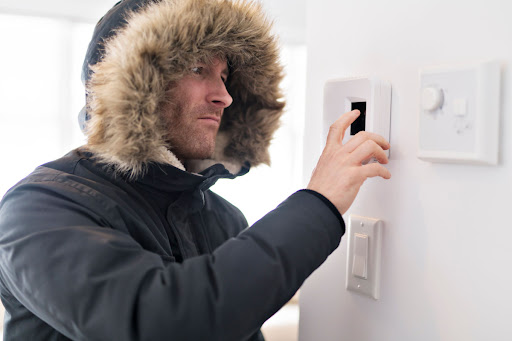
The air conditioners and heating systems in our homes experience a lot of use. As a result, it’s easy for us to take these important systems for granted. During the summer months, many of us lower the thermostat without so much as a second thought, expecting the air conditioning unit to kick on without a hitch. The same can be said during the winter when we bump up the thermostat and immediately expect a warm home.

Although our HVAC systems are designed to work when we need them, we shouldn’t ignore their needs. In fact, many HVAC technicians stress the importance of HVAC maintenance.

Let’s discuss what can happen if you ignore HVAC maintenance.

Higher Energy Costs

Regular maintenance is important because it can help ensure your HVAC systems are running efficiently. The more efficient your heating and cooling systems are, the less energy they’ll waste.

If you want to know what can happen if you ignore HVAC maintenance, take a look at your energy bills. When you neglect the maintenance needs of your heating and cooling systems, there’s a good chance that you’ll see an increase in your energy bills.

When your HVAC systems are poorly maintained, they have to work harder to meet your comfort needs. This can lead to increased energy consumption — and higher energy costs. Although maintenance services might seem like an unnecessary expense, they can actually help you save money in the long run.

Poor Indoor Air Quality

When discussing the importance of HVAC maintenance, it’s important to mention indoor air quality (or IAQ). During a maintenance service, your technician will perform a wide range of tasks; this typically includes replacing the air filter.

Most HVAC systems have air filters. These filters should be replaced on a regular basis, which ends up being about every 90 days. Of course, your specific circumstances can influence how often you replace your HVAC system’s air filter, including whether or not you have pets, asthma, or allergies.

If you neglect your HVAC system’s maintenance needs, there’s a good chance that the air filter will become dirty or clogged. The main job of these air filters is to collect and trap airborne pollutants before they have a chance to enter your home. If the filter is dirty, these pollutants can easily get into your home and negatively affect the air quality.

Expensive Repairs

Are you still wondering what can happen if you ignore HVAC maintenance? Fortunately, there’s still plenty to discuss. For example, scheduling preventative maintenance services is an excellent way to avoid costly repairs and untimely breakdowns.

Every air conditioner and heating system will experience wear and tear during its lifetime; this is a normal occurrence. It just makes sense that the more you use your HVAC system, the more damage it will endure. However, it’s important to note that you can actually prevent excessive wear and tear with regular maintenance.

When an HVAC contractor performs maintenance on your HVAC system, they’ll thoroughly clean the unit, perform a series of tests, and conduct an inspection. If the technician catches a problem that needs fixing, they’ll address it immediately to prevent the issue from worsening. Even small problems can lead to costly repairs.

Lack of Comfort

There are many reasons why HVAC companies highlight the importance of HVAC maintenance. In fact, there’s a good chance that professional technicians will tell you that maintenance can help improve your home’s comfort.

As homeowners, we expect our air conditioners to cool our homes and our furnaces to keep us warm. However, our HVAC systems can encounter many issues if we ignore their needs. If you overlook the importance of regular HVAC maintenance, you could put your family’s comfort — or worse, their safety — in jeopardy.

Schedule HVAC Maintenance With the Experts!

So, what can happen if you ignore HVAC maintenance? There are almost too many repercussions to count. It’s easy to see that neglecting the needs of your heating and cooling systems can have many negative consequences for your family’s comfort.

Now that you know about the importance of HVAC maintenance, don’t wait to schedule an appointment with Go Green Plumbing, Heating & Air! We’re proud to offer top-quality heating and cooling services to homeowners throughout the area. Whether you need an HVAC maintenance service or water heater installation in Greensboro, NC, we’re happy to help.
Annual maintenance extends the life of your HVAC system, increases your energy savings, and improves your comfort. Why put off one of these services any longer? Contact us today for a heating tune-up in Greensboro!

5 Easy Ways to Reduce Your Water Bill

Water is the source of life. It’s something we can’t live without — literally — and a commodity we sometimes take for granted. 

Between cooking, cleaning, and staying hydrated, water is used on a daily basis to keep your household running. It’s no surprise, then, that your water bill is so high at the end of the month. 

Let’s take a look at five easy ways to reduce your water bill and conserve water!

Fix Leaks

A dripping tap or a running toilet may not seem like a significant issue, but it’s the most common cause of high water bills! 

Typically, a faucet that leaks 10 drops of water per minute will waste almost one gallon per day, whereas a running toilet can waste a staggering 200 gallons per day. The longer you wait to schedule a residential plumbing repair in Greensboro, NC, the faster your water meter will run. 

Take Shorter Showers

Although there’s nothing quite as relaxing as a nice hot shower at the end of a long work day, this may be one of the reasons why your water bill is so high — particularly if you enjoy long showers. 

According to the American Water Works Association, the average shower lasts about eight minutes. Cutting back on your shower time by just one minute can help save around 60 gallons of water a month! This can make a huge difference in your water bill when you consider that showering accounts for nearly 17% of residential indoor water use. 

Install a Low-Flow Showerhead

Another way to reduce your water bill is by investing in a low-flow showerhead. 

Conventional showerheads use a maximum of 2.5 gallons per minute (GPM), which has been the federal-mandated flow rate since 1992. However, if your bathroom hasn’t been upgraded in the last 20 years, you might have an old showerhead that uses between 5.0-8.0 GPM. This is a lot of wasted water that you can eliminate by installing a low-flow showerhead. 

The best low-flow showerhead models use between 1.5-2.0 GPM, which can reduce the amount of water consumed per shower by 20% — all without reducing your water pressure to a trickle.

And if your water pressure is being impacted, don’t be so quick as to blame it on your new showerhead. Hard water can leave behind calcium deposits that clog the nozzle, resulting in low pressure. Clean the showerhead with baking soda and vinegar to remove any gunk covering the holes, and enjoy free-flowing water once again. Better yet, schedule a water softener installation with Greenboro’s trusted plumbers to avoid this problem in the future. 

Eliminate Running Water While Shaving and Brushing Your Teeth

Whether you’re concentrating really hard while shaving or absentmindedly brushing your teeth, it’s easy to forget to turn the tap off when you’re not using it. Everyone has made this mistake at least once! 

One way to reduce your water bill without much effort is to eliminate running water as much as possible. The next time you brush your teeth, turn the tap off until you’re ready to rinse. If you’re shaving, fill the sink with enough water to clean the razor and turn the tap off. 

Each of these steps might seem insignificant and unlikely to help you save much, but when done regularly, they can really make a difference in lowering your high water consumption. 

Run Only Full Loads of Dishes and Laundry

Does it seem like you can never catch a break from washing dishes or doing laundry? You might be running your dishwasher or washing machine too often — and likely without filling them all the way up. This is why your water bill is so high!

Not only does this contribute to water waste, but it also causes unnecessary wear and tear for your appliances. It could also be the reason you’re always running out of hot water. Your dishwasher is connected to the water heater and uses a lot of hot water to make sure the dishes are clean and safe for food.

To get the most out of your dishwasher and washing machine, wait until they’re full before running them. 

Skip the Hand Washing

If you have a dishwasher but rarely use it, this is definitely another reason why your water bill is so high. 

It might seem like your dishwasher is the main culprit of water usage, seeing as it takes between 1-4 hours to run a full load of dishes, but this is, in fact, not true. An ENERGY STAR® dishwasher will use only about 3 gallons of water per cycle, whereas hand washing requires about 27 gallons of water, on average. This is a staggering difference — but it makes sense when you think about it!

Rinsing dishes before and after sudsing is time-consuming, and you likely run the tap throughout the whole process. Dishwashers, on the other hand, are specifically designed to use water efficiently. 

So, if you’re looking for an easy way to reduce your water bill, skip the hand washing and use your dishwasher!

Go Green Is Here for All Your Plumbing Needs

Whether you have a leaky faucet or damaged household appliance running up your water bill, Go Green Plumbing is here to help! We work with commercial and residential water lines, sewer lines, irrigation systems, and more! Contact us to schedule a service.

Spring Cleaning Checklist for Your Plumbing System
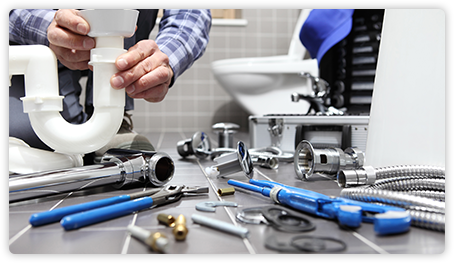
Are you doing spring cleaning this year? Well, just like any home, your plumbing system deserves a little love and attention to stay clean and efficient. Believe it or not, a lot can be done without any special training, as long as everything looks to be working properly. Your plumbing system can incorporate everything from your showers and drains, sinks and faucets, gutters, garbage disposal, water heater, and more. With that in mind, here are some quick tips for maintaining your plumbing system throughout the spring season. 

Continue reading

The 5 Key IAQ Maintenance Tips to Follow this Spring Season

The warm weather signals the start of spring here in Greensboro, NC, which means allergy season is right around the corner. During this time, it is essential to have strong indoor air quality (IAQ) to keep pollen, the most common allergen in the spring, out of your house. In fact, keeping all air pollutants to a minimum is incredibly important during the pandemic. 

Numerous solutions are available at your fingertips in order to improve IAQ in the upcoming season — here are five to help you get started!

Continue reading

4 Places Where Hidden Leaks Love to Hide

Water leaks are an all too common issue in many homes. However, they aren’t always apparent to the untrained eye. A hidden leak will cause your water bill to rise astronomically while contributing to mold problems in your home if left unattended. Taking care of a leak as soon as possible will save you a lot of money while also keeping your home protected against water damage.

Continue reading

Planning for a Kitchen Remodel


Once you’ve decided to undertake a kitchen remodel, that’s when the fun begins. It’s time for your dreams to become reality. So do you know what you really want from your new kitchen? And do you know who you want to do the work?

Before talking to a contractor or designer, it’s a good idea to have an idea of what you want or need most from the remodel. Is this purely an aesthetic change that you’re desiring? Or do you need more storage space? Does the configuration work for your family? Or does the kitchen need to be larger? It’s important to answer these high level questions before you get into details like colors, tile preferences and even appliances.

Once you have clarity around these big questions, you’ll need to hire a contractor or a designer. Often times, contractors have a designer that they prefer to work with, and likewise a designer may have a contractor that he or she trust implicitly. So if you know a contractor or a designer that you love, go with the person you know and they can work with you to find the right professional to supplement the team.

Next, let’s be real, it’s just smart to set aside a “Surprise Fund” for unexpected issues during the remodel. If you find mold, or worse, a pipe bursts, that’s going to be extra money out of your pocket. While it’s hard to find extra money for these situations, it’s better to have at least a small rainy-day fund than none at all.

Last but not least, determining the best time of the year for your kitchen remodel can make all the difference in the world in how smoothly and quickly the project will proceed. Do you plan to take a long vacation this summer? Would it be better to take this on during the school year or when the kids are out for summer? Are you expecting a child? Do you know your work is going to be crazy during a certain season? Do you have a deadline because of a special event like the holidays, an anniversary or wedding?

You are the only person who can answer these questions, that’s why it’s good to discuss them with contractor or designer so you can create a timeline that works well for everyone.

###

Have more questions? Call us—we’d love to help! Call the professionals at Go Green Plumbing at 336-252-2999 for service 7 days a week/24 hours a day. If water runs through it – We Do It


Remodeling Your Kitchen 


Who doesn’t love a freshly painted, shiny new kitchen with gorgeous new appliances? No one! That’s why it’s one of the most bang-for-your-buck renovations a homeowner can undertake. If you’re considering remodeling in 2018, you’re not alone. As you start dreaming about that kitchen you’ve always wanted, it’s smart to begin planning a budget as well.

According to HomeAdvisor.com, the national average that homeowners are paying in 2018 for kitchen remodel is $21,988, based on broader range of $12,000 to $33,000. That said, the website reports that remodels sometimes run as low as $4,000 or as high as $50,000, depending on a variety of factors, from size of kitchen and cost of materials to scope of project and potential design fees.

A lower end remodel may include the basics, including resurfacing or custom painting cabinets, installing a tile backsplash and new sink and faucets while a higher end remodel may also encompass new high-end appliances, granite or marble counter tops, custom cabinetry and tile or hardwood flooring.

As you begin budgeting for your new kitchen, below are a list of line items for you to consider:

  • Flooring
  • Paint
  • Appliances
  • Lighting
  • Cabinetry
  • Countertops
  • Backsplash
  • Sink / Faucet
  • Island/Bar
  • Plumbing
  • Electric
  • Gas Lines
  • Chairs/Table
  • Design Fees

While some people get excited about all the possibilities and love to do the work themselves, you may be someone who doesn’t have the time to deal with narrowing down 20 types of granite or 10 types of flooring. If you need someone to run the show or if you are overwhelmed with the scope of the project, hiring an interior designer may be a good option.

An interior designer’s job is not just to help design the kitchen you want, it’s also to coordinate the project’s timeline and manage subcontractors. Granted, it’s another expense, but the reality is that they can save you a tremendous amount of time and energy – and sometimes even money.

###

Have more questions? Call us—we’d love to help! Call the professionals at Go Green Plumbing at 336-252-2999 for service 7 days a week/24 hours a day. If water runs through it – We Do It